ABUS Physician Training
A Cloud-Based Training Program for Breast Imaging Education
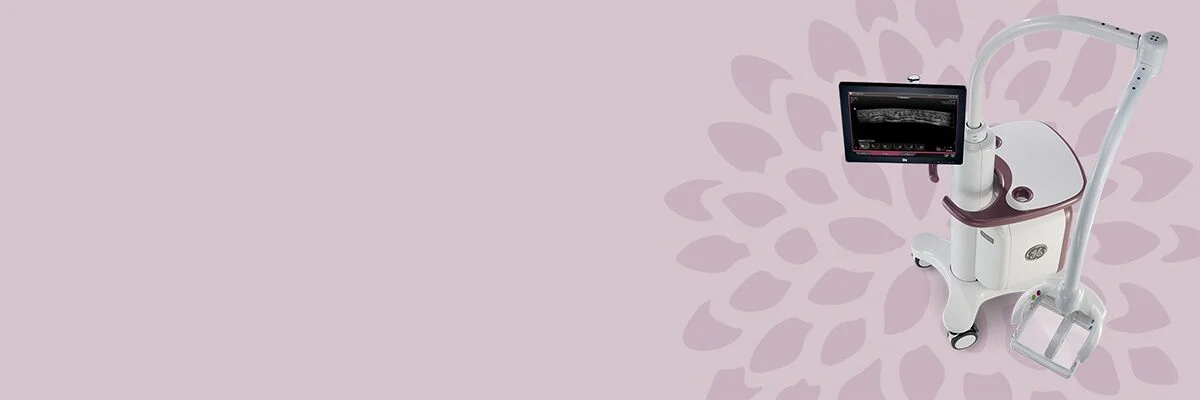
Cloud-Based Training Platform for Breast Imaging Education
GE Healthcare | Breast Imaging Education & IT
Led the research, design, and project management of a cloud-based training platform for GE Healthcare’s Invenia Automated Breast Ultrasound (ABUS) physician curriculum. The initiative addressed major scalability and logistical challenges in delivering FDA-mandated training to radiologists worldwide.
Through interviews, participant observation, task analysis, competitive research, and rapid prototyping, I identified pain points in the legacy, hardware-dependent training model and designed a decentralized virtual training solution. The redesigned delivery format reduced scheduling friction, minimized physical equipment requirements, and enabled physicians to complete certification remotely while maintaining compliance and quality standards.
I translated research insights into system requirements, wireframes, workflow redesigns, and pilot program (3 sessions, 12 physicians).
The redesigned decentralized delivery model launched in 2016, increasing scheduling flexibility, reducing logistical overhead, and positioning the program to scale across international markets.

My Role
As the primary designer and researcher on the project, I had the opportunity to collaborate with internal teams (developers, engineers, product management, marketing) and gather feedback from key stakeholders (physicians, hospital management).
Conducted informal interviews with physicians
Designed user surveys and gathered feedback from stakeholders
Synthesized feedback into key themes, user needs and design guidelines
Defined system requirements and constraints
Managed timelines and deliverables
Over a six-month period, I led a structured research and design process to redesign GE Healthcare’s physician training platform and delivery model.
I began by developing a project proposal and conducting participant observation within live training sessions to understand real-world workflows and pain points. Through interviews with physicians, peer educators, and internal teams, I identified user needs and system constraints, ensuring future designs would integrate seamlessly with existing operational processes.
During exploration, I facilitated affinity mapping and conducted a SWOT analysis to clarify opportunity areas and define solution directions. I complemented this with competitive analysis and task analysis to map the full training lifecycle and uncover inefficiencies in scheduling, logistics, and software usage.
I translated findings into product requirement documents, wireframes, and low-fidelity prototypes, collaborating closely with developers to manage timelines, validate requirements, and ensure regulatory compliance. I redesigned workflows, checklists, and process documentation to reflect the new system architecture.
The solution was tested through three pilot sessions (12 physicians), where I moderated sessions, logged observations, administered post-session questionnaires, and synthesized feedback into a final report and implementation recommendations presented to leadership.
The Problem
The format used to deliver training to physicians is inefficient and will not scale up to meet predicted needs. A scalable training solution is needed. To give some context:
Training = Essential
Physicians who review images captured via GE Healthcare’s Invenia ABUS medical device must complete an 8 hour training curriculum as per FDA mandate. If physicians do not complete the curriculum, use of the device is considered “off label”, and insurance companies are not able to approve or pay for treatments.
2. Scheduling = Headache
Prior to 2015, all ABUS physician training was delivered in a “live” format that involved weeks of coordination with each customer (typically a hospital or private practice).
The delivery format required that a majority of physicians within a radiology group attend a single training event. Physician schedules are typically set months in advance, so coordinating schedules around a specific training date was a recurring pain point for hospital admin.
3. Legacy Solution = Unsustainable
The legacy format was also expensive and unsustainable. Executing a training session required sending cases of training equipment and at least one employee to the customer’s physical location, a practice that would not scale up as product demand increased.
4. Large File Size + Specialized Software
Physicians use Invenia ABUS workstation software to review 3D volumes of breast tissue. The file size for a single volume is large (>1GB), and the software is highly specialized for the task. For this reason, a highly specialized design solution was required.

ABUS Physician Training Delivery (Redesigned) - The training delivery format after redesign.